
Pilatus PC-12/47 NG
Seats
6
Maximum Range (nm)
1752
ICAO Code
PC12
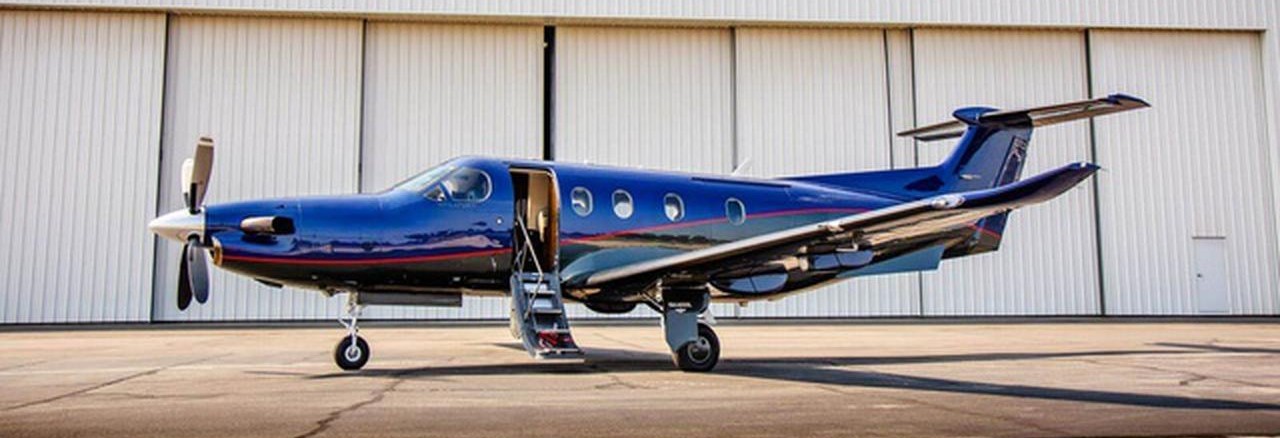

Pilatus PC-12/47 NG
Introduction
The Pilatus PC-12/47 NG (Next Generation) is the evolved version of the renowned PC-12/47, offering cutting-edge avionics, enhanced performance, and refined cabin comforts. Unveiled in 2008 and upgraded through the 2010s, the NG model reaffirms Pilatus’s commitment to blending rugged utility with Swiss craftsmanship and executive-class luxury.
Known as one of the most versatile and cost-effective turboprops ever built, the PC-12/47 NG can land on unimproved airstrips, carry cargo or passengers in a pressurized cabin, and operate with only one pilot. It’s trusted by business leaders, air ambulances, government agencies, and remote operators alike, making it one of the most chartered single-engine turboprops worldwide.
Specification of Pilatus PC-12/47 NG
The Pilatus PC-12/47 NG delivers improvements in engine performance, payload, and technology without compromising its signature versatility.
Manufacturer: Pilatus Aircraft Ltd., Switzerland
Engine: Pratt & Whitney Canada PT6A-67P turboprop
Maximum Takeoff Weight (MTOW): 10,450 lbs (4,740 kg)
Fuel Capacity: 402 US gallons (1,521 liters)
Wingspan: 53 ft 4 in (16.28 m)
Length: 47 ft 3 in (14.40 m)
Height: 14 ft (4.26 m)
Cabin Height: 4 ft 10 in (1.47 m)
Cabin Width: 5 ft (1.52 m)
Cabin Length: 16 ft 11 in (5.16 m)
Passenger Capacity: Typically 6–8 passengers + 1 pilot
Cargo Volume: ~40 cubic feet of baggage space
Pressurized Cabin: Yes, with sea-level comfort up to 25,000 feet
With its full-fuel payload improvements and large cargo door, the PC-12 NG handles both people and payload with ease, ideal for missions requiring flexibility.
Performance and Range of Pilatus PC-12/47 NG
The PC-12/47 NG is engineered for superior climb performance, fuel efficiency, and runway versatility. The upgraded PT6A-67P engine delivers more power, allowing better performance at high altitudes and hot temperatures.
Maximum Cruise Speed: 285 knots (528 km/h)
Range: 1,800–1,845 nautical miles (3,417 km) with reserves
Takeoff Distance: 2,600 feet (792 m)
Landing Distance: 2,170 feet (661 m)
Maximum Operating Altitude: 30,000 feet (9,144 m)
Rate of Climb: Approx. 1,920 ft/min
The aircraft’s range and efficiency allow direct routes between city pairs like New York to Miami, London to Dubrovnik, or Dubai to Mumbai, without requiring large airports. Whether on paved tarmacs or bush strips, the NG handles it all with confidence.
Cabin Comfort and Interior of Pilatus PC-12/47 NG
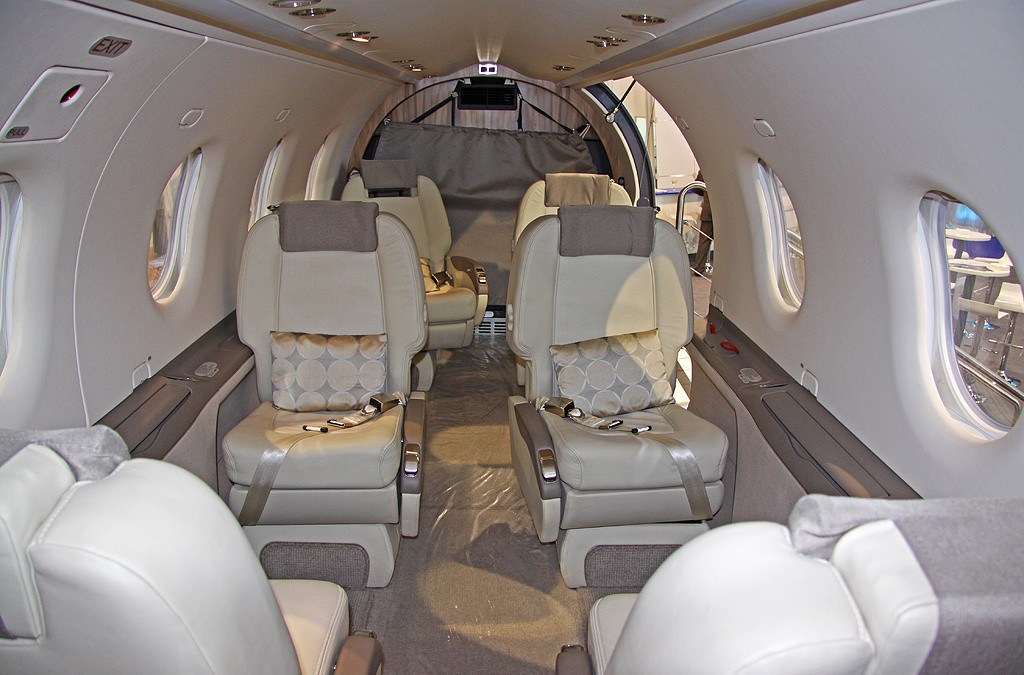
The Pilatus PC-12 NG offers a refined and customizable interior designed in collaboration with BMW Designworks. Though it's a turboprop, the interior feels more like a light jet, thanks to thoughtful craftsmanship, quiet engines, and executive-class seating.
Interior highlights:
Seating: Executive six-seat club configuration or 8-passenger commuter layout
Materials: Hand-stitched leather, hardwood accents, customizable color schemes
Tables: Fold-out tables between club seats for working or dining
Climate Control: Zoned air conditioning and heating
Lavatory: Optional enclosed lavatory behind a sliding door
Cabin Lighting: LED ambient lighting for a modern touch
Noise Insulation: Quiet cabin environment with active vibration control
Access to Baggage: Interior access to baggage in flight
While compact compared to jets, the cabin offers plenty of personal space and is ideal for business trips, family travel, and even medical missions. Luggage can be easily stored in the rear compartment without affecting cabin access.
Avionics and Technology of Pilatus PC-12/47 NG
One of the PC-12 NG’s most significant advancements is its Honeywell Primus Apex avionics suite, modeled after flight decks in larger jets. It’s designed to support single-pilot operations while enhancing safety and efficiency.
Avionics features include:
Four 10.4-inch LCD screens (2 Primary Flight Displays + 2 Multi-Function Displays)
Integrated Flight Management System (FMS)
SmartView™ Synthetic Vision System (SVS)
Traffic Collision Avoidance System (TCAS I)
Terrain Awareness and Warning System (TAWS-B)
Weather Radar and Satellite Weather Display
Dual GPS and WAAS-enabled navigation
Automatic Flight Control System (AFCS) with autopilot
The avionics suite enables glass cockpit capability, reducing pilot workload and improving situational awareness, making it one of the most technologically advanced turboprops in operation.
Operational Advantages of Pilatus PC-12/47 NG
The PC-12/47 NG is known for high mission readiness, cost-efficiency, and versatile deployment. Its ability to operate from short or unimproved runways opens up access to thousands of smaller airports globally.
Key operational benefits:
Single-engine efficiency: Lower fuel burn and maintenance costs than jets or twin turboprops
Short field performance: Operates from airstrips under 3,000 feet
Multi-mission design: Convertible for medevac, VIP, commuter, or cargo use
Low operating cost: ~$800–$1,200 per hour vs. $2,000–$3,000 for comparable jets
Unmatched utility: Access remote areas inaccessible to jets
High resale value: Strong market demand and aircraft longevity
This unique combination of affordability, reliability, and flexibility makes the NG a top choice for both private operators and commercial fleets.
Who Should Charter Pilatus PC-12/47 NG
The Pilatus PC-12/47 NG is ideal for a wide array of charter clients, especially those seeking comfort, performance, and access to off-the-beaten-path destinations.
Recommended for:
Business Executives: Traveling between smaller regional airports or avoiding major hubs
Families and Leisure Travelers: Headed to remote lodges, islands, or high-altitude resorts
Medical Evacuation Teams: Transporting patients with onboard medical staff and equipment
Government/NGO Missions: Disaster response or rural development logistics
Expedition Groups: Needing dependable transport to rugged or remote environments
Cargo Operators: Delivering high-value goods or time-critical shipments
The aircraft appeals to those who value time, cost-effectiveness, and flexibility without compromising on safety or comfort. It's especially suited for missions requiring access to isolated locations without paved infrastructure.
Charter Cost Estimates for Pilatus PC-12/47 NG
While the PC-12/47 NG provides the comfort of a private jet, its charter costs are significantly lower, making it one of the best-value private charter aircraft in the industry.
Typical charter pricing:
Hourly Rate: $1,200 – $2,000 per hour
One-Way Trip (250–500 miles): ~$3,000 – $5,000
Day Trip (4 hours flight time): ~$5,000 – $8,000
Weekend Getaway (8 hours total): ~$10,000 – $14,000
Costs can vary based on region, aircraft year, and amenities onboard. Still, even at the higher end, the PC-12 NG offers 30–50% cost savings compared to light jets, especially for short-haul flights with 4–6 passengers.
Conclusion
The Pilatus PC-12/47 NG is in a class of its own. It successfully bridges the gap between turboprop utility and private jet luxury, making it one of the most chartered, trusted, and multi-functional aircraft in the world. With a spacious cabin, advanced avionics, economical operation, and short runway capability, it’s no wonder that thousands of PC-12s are in service across over 50 countries.
For travelers looking for a dependable, luxurious, and cost-effective way to fly—whether to big cities or secluded airstrips—the PC-12 NG delivers unmatched value. From executive missions to medical evacuations, from remote access to corporate convenience, it’s built to perform—anywhere, anytime.