
Cessna Citation III
Seats
7
Maximum Range (nm)
2348
ICAO Code
C650
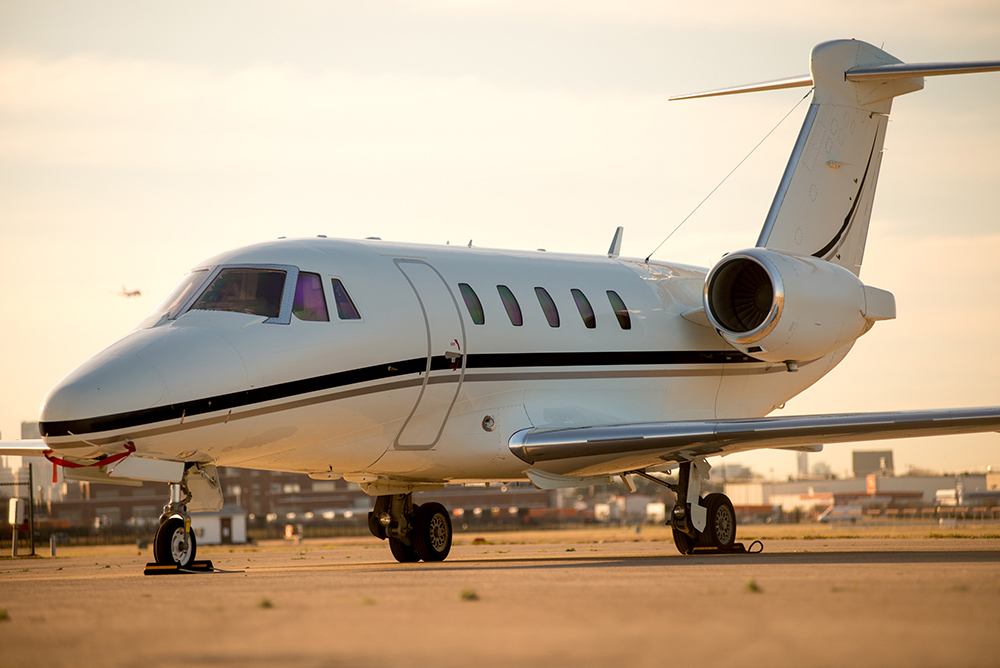
Cessna Citation III
Introduction
The Cessna Citation III is a high-performance mid-size business jet designed to offer an optimal blend of speed, range, and passenger comfort. Launched in the early 1980s by Cessna Aircraft Company, the Citation III was built with a strong focus on long-range capability, corporate travel efficiency, and an aerodynamic profile that made it stand out in the competitive business jet market of its time. It marked a significant leap forward in Cessna’s design philosophy, combining a swept-wing design, advanced avionics, and powerful engines to deliver exceptional performance. Even decades after its introduction, the Citation III remains a respected and reliable aircraft for both private owners and charter clients, offering a luxurious cabin experience alongside impressive operational efficiency.
Specification of Cessna Citation III
Manufacturer: Cessna Aircraft Company
Aircraft Type: Mid-size business jet
Crew: 2 (pilot and co-pilot)
Passenger Capacity: Typically 6–9 passengers
Length: 55 ft 6 in (16.92 m)
Wingspan: 53 ft 6 in (16.31 m)
Height: 17 ft 7 in (5.36 m)
Cabin Length: 18 ft 4 in (5.59 m)
Cabin Height: 5 ft 8 in (1.73 m)
Cabin Width: 5 ft 7 in (1.70 m)
Baggage Capacity: 61 cubic ft (external)
Engines: 2 × Honeywell TFE731-3B-100S turbofans
Thrust per Engine: 3,650 lbf (16.2 kN)
Maximum Takeoff Weight (MTOW): 22,000 lb (9,979 kg)
Fuel Capacity: 8,100 lb (3,674 kg)
Performance and Range of Cessna Citation III
The Cessna Citation III was designed for speed and range, making it a preferred choice for executives who valued time efficiency. It boasts a maximum cruise speed of around 528 mph (Mach 0.92), allowing it to cover long distances quickly.
Maximum Cruise Speed: 460 knots (852 km/h)
Range: Approximately 2,920 nautical miles (5,407 km)
Service Ceiling: 51,000 ft (15,545 m)
Rate of Climb: 4,230 ft/min
Thanks to its efficient Honeywell engines and aerodynamic design, the Citation III can operate at higher altitudes, avoiding commercial air traffic and adverse weather conditions. This performance advantage reduces flight time and ensures a smoother passenger experience.
Cabin Comfort and Interior of Cessna Citation III
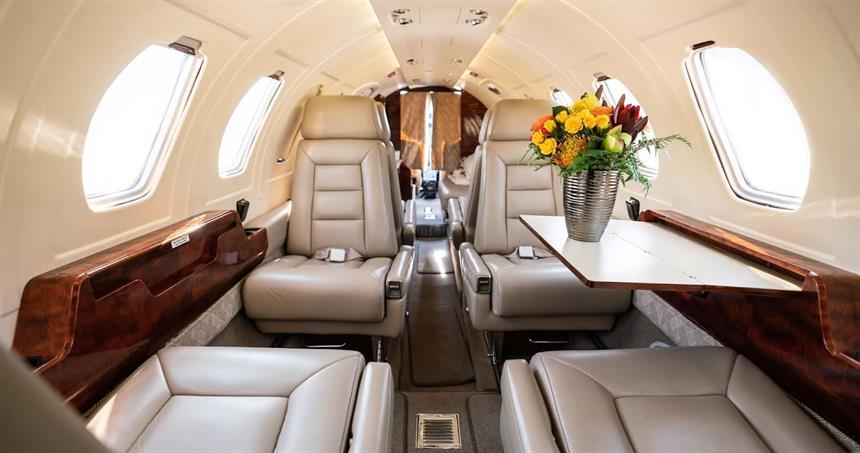
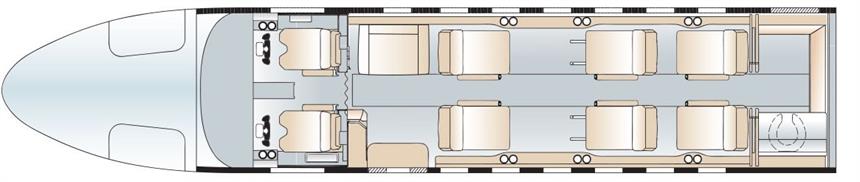
The Citation III cabin was designed with luxury and productivity in mind, catering to corporate executives and high-net-worth individuals. With seating for up to nine passengers, the interior can be configured in various layouts, typically featuring a club-four arrangement plus additional forward and aft seats.
Cabin Height: 5 ft 8 in
Cabin Width: 5 ft 7 in
Cabin Length: 18 ft 4 in
The pressurized and climate-controlled cabin ensures comfort at cruising altitudes, while large windows provide ample natural light. Noise insulation keeps the environment quiet enough for business discussions or relaxation.
Interiors often feature plush leather seats, fold-out tables, refreshment cabinets, and ample storage space. The aircraft also includes an enclosed lavatory, enhancing privacy during long trips. While not as tall or wide as modern large-cabin jets, the Citation III strikes an excellent balance between size, comfort, and operational cost.
Avionics and Technology of Cessna Citation III
When introduced, the Citation III incorporated cutting-edge avionics that enhanced safety and operational efficiency. The standard avionics suite typically included:
Collins Pro Line avionics package
Dual VHF communication and navigation radios
Automatic Direction Finder (ADF)
Distance Measuring Equipment (DME)
Weather radar system for real-time weather monitoring
Traffic Collision Avoidance System (TCAS)
Flight Management System (FMS) for optimized routing
Over time, many Citation III aircraft have undergone avionics upgrades to meet NextGen airspace compliance requirements. These upgrades may include GPS-based navigation, ADS-B Out, and enhanced situational awareness tools, making the jet as capable today as many newer aircraft in its class.
Operational Advantages of Cessna Citation III
The Citation III is celebrated for its ability to fly high, fast, and far while maintaining operational efficiency. Some key operational benefits include:
High-Speed Cruise: The Citation III was one of the fastest jets in its category upon release, saving valuable travel time.
High Altitude Operations: With a ceiling of 51,000 ft, it can avoid air traffic congestion and adverse weather patterns.
Runway Flexibility: Although a mid-size jet, it can operate from relatively short runways compared to many competitors.
Fuel Efficiency: Despite its speed, the Citation III offers reasonable fuel consumption for its class, making it cost-effective.
Proven Reliability: Decades of operational history have demonstrated its dependable performance and low downtime.
Maintenance Support: Widespread availability of parts and qualified maintenance personnel reduces operational risk for charter operators.
Who Should Charter a Cessna Citation III
The Cessna Citation III is ideal for:
Corporate Executives: Perfect for regional and cross-country business trips where speed and productivity matter.
Small Groups: With seating for up to nine passengers, it accommodates executive teams, families, or small travel groups comfortably.
Frequent Flyers: Clients who value fast cruise speeds and long range for non-stop flights between major business hubs.
Leisure Travelers: For those seeking a comfortable, private alternative to commercial flights for vacations or weekend getaways.
It is especially appealing to travelers who require a mid-size jet capable of coast-to-coast flights without refueling while still being able to operate from smaller airports.
Charter Cost Estimates for Cessna Citation III
The cost of chartering a Cessna Citation III varies based on location, route, and operational conditions. On average:
Hourly Rate: $3,000 – $3,800 USD
Daily Minimum: Typically 2–3 flight hours
Cost for a 2-hour flight: ~$6,000 – $7,600 USD (plus taxes, landing fees, and other charges)
Factors that influence pricing include repositioning fees, fuel surcharges, overnight crew costs, and peak travel demand periods. For frequent flyers, block-hour charter agreements or jet cards can offer better value.
Conclusion
The Cessna Citation III remains a respected name in the world of mid-size business jets, delivering a unique combination of speed, range, comfort, and operational efficiency. Its ability to reach high altitudes quickly and maintain fast cruise speeds makes it a time-saving asset for corporate and leisure travelers alike.
Even though newer aircraft have entered the market with modern amenities, the Citation III continues to offer an exceptional travel experience at a competitive charter rate. For travelers who demand performance without sacrificing comfort, this jet remains an outstanding choice.