
Pilatus PC-12/47
Seats
8
Maximum Range (nm)
1750
ICAO Code
PC12
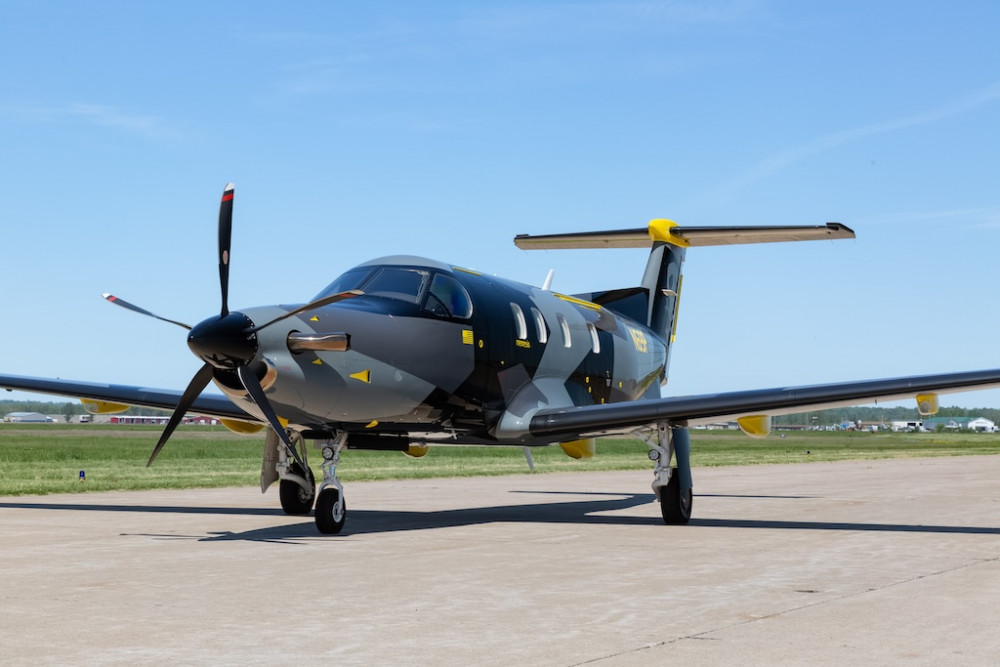


Pilatus PC-12/47
Introduction
The Pilatus PC-12/47 is a standout among single-engine turboprop aircraft, combining rugged utility with business-class comfort. Manufactured by the Swiss company Pilatus Aircraft, the PC-12/47 is an upgraded version of the original PC-12, introduced in 2006. Known for its versatility, low operating cost, and exceptional short-field performance, the aircraft is a favorite among corporate travelers, air ambulance operators, cargo carriers, and charter services worldwide.
The PC-12/47 balances luxury with performance, allowing it to serve remote destinations while offering a cabin that rivals many light jets. Its ability to land on grass, gravel, and even unpaved runways makes it uniquely positioned in markets where access and reliability are critical.
Specification of Pilatus PC-12/47
Here are the key specifications of the Pilatus PC-12/47:
Manufacturer: Pilatus Aircraft Ltd.
Engine: Pratt & Whitney Canada PT6A-67B turboprop
Maximum Takeoff Weight (MTOW): 10,450 lbs (4,740 kg)
Fuel Capacity: 402 US gallons (1,521 liters)
Wingspan: 53 ft 3 in (16.23 m)
Length: 47 ft 3 in (14.40 m)
Height: 14 ft (4.26 m)
Cabin Height: 4 ft 10 in (1.47 m)
Cabin Width: 5 ft (1.52 m)
Cabin Length: 16 ft 11 in (5.16 m)
Seating Capacity: Up to 9 passengers + 1 pilot
Baggage Capacity: Approx. 40 cubic feet (internal and external)
The PC-12/47’s design emphasizes flexibility and efficiency. It offers both a large rear cargo door and a pressurized cabin, which are rare features in aircraft of this category.
Performance and Range of Pilatus PC-12/47
Despite being a single-engine turboprop, the PC-12/47 delivers impressive performance in both short and long-range operations.
Maximum Cruise Speed: 280 knots (518 km/h or 322 mph)
Range: Up to 1,845 nautical miles (3,417 km) with reserves
Takeoff Distance: Approx. 2,650 feet (808 m)
Landing Distance: Approx. 2,170 feet (661 m)
Service Ceiling: 30,000 feet (9,144 m)
Climb Rate: 1,920 feet per minute
One of the defining features of the PC-12/47 is its ability to access remote or shorter runways. Whether it’s a paved airstrip in a major city or a rugged landing zone in a remote village, the aircraft adapts efficiently, making it ideal for both urban and off-grid missions.
Cabin Comfort and Interior of Pilatus PC-12/47
The cabin of the PC-12/47 offers a luxurious and highly customizable interior that belies its rugged exterior. Designed by BMW Designworks, the cabin is equipped with executive-style leather seats, fold-out tables, and soundproofing that ensures a quiet and comfortable flight.
Cabin features include:
Club seating for up to 6-8 passengers
Optional lavatory (enclosed or curtained)
Executive tables for work or dining
Air conditioning and in-flight entertainment options
Power outlets for laptops and devices
Interior baggage access during flight
While it may not match the sheer spaciousness of a midsize jet, the PC-12/47 provides ample legroom, headspace, and a premium cabin experience. Its design supports a variety of missions—from business charters and family travel to medical evacuations and cargo runs.
Avionics and Technology of Pilatus PC-12/47
The PC-12/47 is outfitted with the Honeywell APEX integrated avionics suite, delivering a high level of automation and situational awareness for pilots. Though operated by a single pilot, the aircraft’s advanced avionics enhance safety and reduce pilot workload, making it an attractive option for charter operators focused on safety and reliability.
Key avionics features:
Four large LCD displays (PFDs and MFDs)
Dual GPS, VHF communication, and navigation radios
Weather radar
Traffic Collision Avoidance System (TCAS)
Terrain Awareness and Warning System (TAWS)
Flight Management System (FMS)
Autopilot with flight director
These systems make the PC-12/47 not only highly capable in IFR and night flying conditions but also suitable for demanding airspace environments around the world.
Operational Advantages of Pilatus PC-12/47
The PC-12/47 is remarkably cost-efficient compared to light jets and twin turboprops. With its single-engine design and lower fuel burn, it offers significant savings in fuel, maintenance, and crew costs, without sacrificing performance or safety.
Top operational benefits include:
Low Operating Costs: Estimated at $800–$1,200 per flight hour
Single-pilot Certification: Lower crew requirements
Short Runway Access: Can land at over 21,000 airports globally
High Dispatch Reliability: Trusted by medevac and government fleets
Multi-role Capability: Switch between cargo, passenger, and medevac configurations
The aircraft’s utility is why it’s used by organizations like the Royal Flying Doctor Service (Australia), police departments, charter companies, and even private owners. It's a rare aircraft that bridges private jet comfort with bush-plane capabilities.
Who Should Charter Pilatus PC-12/47
The Pilatus PC-12/47 is an excellent choice for a wide variety of charter clients:
Business Travelers: Ideal for regional trips with quick turnarounds and access to airports closer to final destinations.
Leisure Travelers: Perfect for family getaways to destinations with limited airport infrastructure (e.g., islands, resorts, mountains).
Medical Evacuation Needs: Frequently chartered as an air ambulance with onboard medical equipment.
Cargo and Logistics: A great option for time-sensitive cargo to remote or hard-to-reach areas.
Government or NGO Missions: Especially in developing regions where runways may not be paved.
If you’re looking for an aircraft that can deliver you closer to your destination without compromising comfort, the PC-12/47 is among the most capable and cost-effective choices in the charter market.
Charter Cost Estimates for Pilatus PC-12/47
The PC-12/47 offers excellent value for money. On average, charter rates range from $1,200 to $2,000 per hour, depending on region, aircraft age, and operator reputation.
When compared to light jets or twin-engine turboprops, the PC-12/47 often provides 25–40% cost savings, especially on shorter sectors. Its lower fuel consumption, single-pilot operation, and low maintenance requirements make it one of the most economical private charter options available.
Conclusion
The Pilatus PC-12/47 stands as a benchmark in the turboprop category, combining Swiss engineering, unmatched reliability, and luxury in a package that few aircraft can rival. Its ability to operate from unpaved runways while still offering executive-class interiors makes it uniquely versatile in today’s air charter market.
Whether you're a business traveler flying into a remote factory site, a family heading to a secluded lodge, or a medical team needing urgent transport, the PC-12/47 is built to deliver safely, comfortably, and economically.
For those seeking an aircraft that can go where others can't—without sacrificing style or comfort—the Pilatus PC-12/47 is a clear winner.