
Vulcanair P68
Seats
7
Maximum Range (nm)
1103
ICAO Code
P68
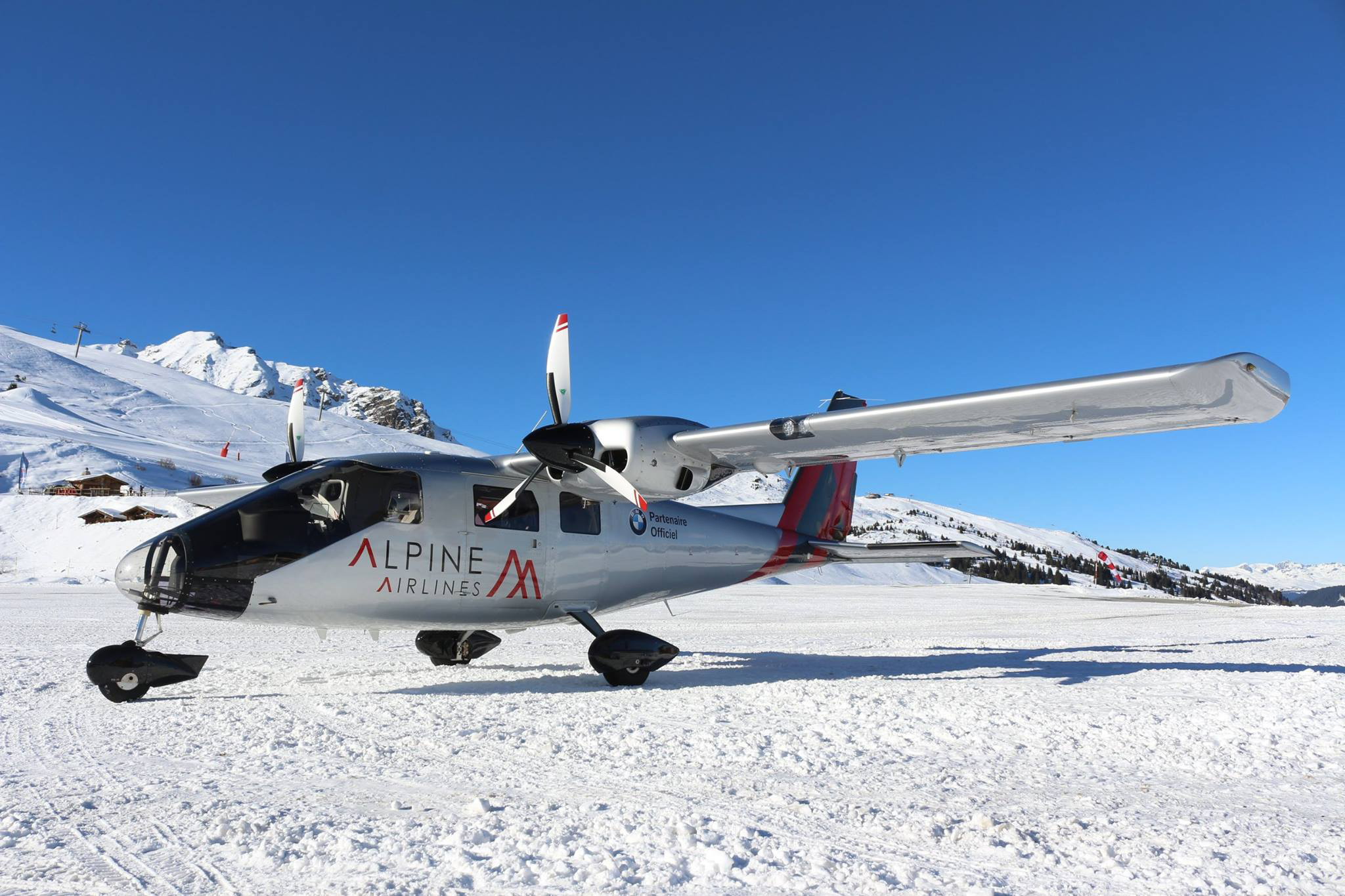

Vulcanair P68
Introduction
The Vulcanair P68 is a twin-engine, high-wing utility aircraft designed for efficiency, visibility, and versatility. Manufactured in Italy, this aircraft is especially popular for short-haul regional travel, air taxi services, surveillance, and mapping operations. With its economical operation, spacious cabin, and exceptional field of view, the P68 is a dependable platform for both commercial and private use in hard-to-reach areas.
Specification of Vulcanair P68
Manufacturer: Vulcanair Aircraft (Italy)
Model: P68 Series (P68B, P68C, Observer variants)
Crew: 1–2 pilots
Passenger Capacity: Up to 6 passengers
Engines: 2 × Lycoming IO-360-A1B6 piston engines
Length: 31 ft 2 in (9.5 m)
Wingspan: 39 ft 4 in (12 m)
Height: 11 ft 2 in (3.4 m)
Maximum Takeoff Weight (MTOW): ~4,200 lbs (1,905 kg)
Baggage Capacity: ~17.6 cu ft (0.5 m³), depending on configuration
Performance and Range of Vulcanair P68
The Vulcanair P68 is designed for short-field performance and fuel efficiency, making it ideal for remote and regional routes:
Maximum Cruise Speed: 165 knots (306 km/h)
Maximum Range: Up to 1,200 nautical miles (2,222 km)
Service Ceiling: ~19,500 ft
Takeoff Distance: ~1,600 ft (488 m)
Landing Distance: ~1,500 ft (457 m)
It can operate on short or semi-prepared runways, making it valuable in rugged environments.
Cabin Comfort and Interior of Vulcanair P68
Though primarily a utility aircraft, the P68 offers a surprisingly roomy and flexible cabin:
Cabin Height: 4 ft 2 in (1.27 m)
Cabin Width: 4 ft 3 in (1.30 m)
Cabin Length: 10 ft 6 in (3.2 m)
Seating Layouts:
Standard 6-seat configuration (2+2+2)
Survey or observation layouts with bubble windowsInterior Features:
Large windows for excellent visibility
Quiet cabin with noise insulation (in newer models)
Basic comforts: upholstered seats, reading lights, and ventilation
Optional executive or medevac interiors available
The P68 balances function and comfort, especially for flights under 2 hours.
Avionics and Technology of Vulcanair P68
The P68 is available with traditional or glass cockpit configurations:
Standard Avionics (Varies by Model):
Garmin G500 or G1000 glass cockpit (in newer variants)
GPS/NAV/COM, autopilot, weather radar (optional)
ADS-B Out and TCAS available
Optional camera integration for aerial survey and law enforcement use
Its high-wing, unobstructed view design also makes it ideal for aerial observation and ISR roles.
Operational Advantages of Vulcanair P68
Twin-Engine Safety with Low Cost: Fuel-efficient piston engines with added redundancy
High-Wing Design: Superior downward visibility for observation and safety
STOL Capabilities: Operates from short and unprepared airstrips
Multi-Mission Use: Can be outfitted for passenger, cargo, medevac, mapping, or surveillance
Low Maintenance & Reliable: Durable airframe with simple systems
Perfect for hard-to-reach destinations or utility-focused travel.
Who Should Charter Vulcanair P68
The Vulcanair P68 is ideal for:
Regional Travelers and Tourists: Affordable short-range flights to remote destinations
Aerial Survey Teams: Mapping, pipeline inspection, or environmental research
Government or Police Units: Border patrol, surveillance, or aerial photography
Adventure Tour Operators: Scenic flights in mountainous or island terrain
Utility Workers and Engineers: Access to infrastructure projects and remote sites
Best suited for 2–6 passengers or specialized cargo/mission roles.
Charter Cost Estimates for Vulcanair P68
The P68 is a cost-effective charter solution, especially for utility and short-haul routes:
Hourly Charter Rate: $800 – $1,400 USD
Typical 1-Hour Flight: $800 – $1,400 USD
Estimated Cost per Passenger (Full Load): $150 – $250 USD
Charter rates may vary depending on configuration (passenger vs. observation or cargo).
Conclusion
The Vulcanair P68 is a reliable, adaptable, and cost-effective aircraft well-suited to regional passenger transport and specialty missions. With excellent visibility, short runway performance, and seating for up to six, it's ideal for remote travel, observation, and aerial operations. Whether flying clients to an island resort or conducting a topographic survey, the P68 gets the job done—safely and efficiently.